It’s so hot right now, like, everywhere in China! As temperatures soar this summer, an ancient recipe has become the undisputed drink of the season. No, it’s not iced coffee or iced tea. It’s something many people would never think to try until they’ve spent some time in China. From the hot, humid streets of Hainan Province to the sweltering tea shops of Beijing and Shanghai, mung bean drinks are the must-have refreshment.
The story of mung bean soup as a summer staple stretches back more than a millennium. Historical records document street vendors selling it during the Tang and Song dynasties (618-1279) on scorching summer days.
So why do Chinese people suddenly start drinking bean soup like it’s juice? Its popularity is rooted in traditional Chinese medicine (TCM). Mung beans are classified as “cold” in nature, making them the perfect antidote to summer’s oppressive heat. In TCM, they’re also believed to eliminate toxins, promote urination and relieve heat-related ailments. They’re also rich in protein, vitamin C and dietary fiber, aid digestion and stimulate the appetite, which is often suppressed during sweltering weather.
When I was a little kid, my grandma would cook giant batches of mung bean soup every summer. And while Chinese people don’t like cold drinks, even the old-timers make an exception for this one. A nice glass of cold mung bean soup is both tasty and packed with medicinal benefits. So when I was little, if I wanted something cold at Grandma’s, this was my only choice.
The flavor of well-made mung bean soup is deceptively complex. It’s earthy and nutty on the first sip, with an almost grassy sweetness that lingers gently on the palate. The beans are slow-cooked to perfection. Served ice-cold, it’s remarkably refreshing: clean, cooling and deeply satisfying, with the added bonus of knowing you’re not indulging in a sugary treat but helping your body cope with the summer heat. It’s a win-win.
This summer, major milk tea chains have embraced the humble mung bean with creative flair. Even KFC has joined the trend with its Refreshing Mung Bean Drink, featuring soft-cooked mung beans with a hint of mint. If these beverage giants have jumped on board, it’s proof this favorite has truly gone mainstream.
But mung bean soup has also sparked one of China’s liveliest culinary debates over what color the broth should be.
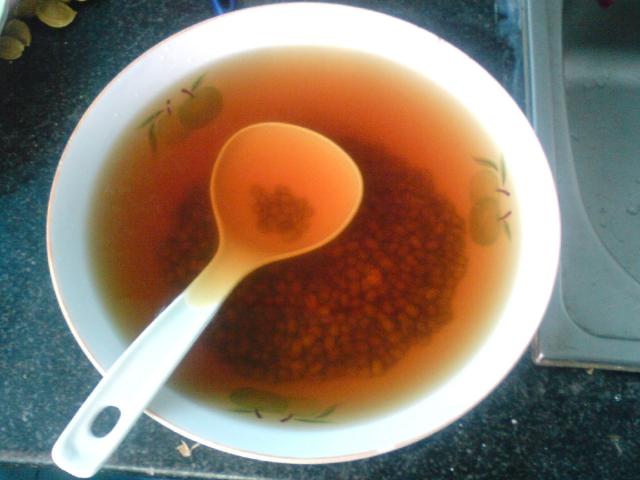
In the North, where the beans are boiled until they break down and release their starch, the broth takes on a murky reddish-brown or deep olive hue. That’s the sign of a properly cooked mung bean soup. Southerners, however, insist it should remain bright translucent green or pale yellowish-green, achieved by briefly boiling the beans with a pinch of salt or a drop of vinegar to preserve the color. Some even steam the beans separately before adding them to clear water.
Social media regularly erupts with passionate arguments, with northerners mocking the southern version as under-cooked and southerners dismissing the northern style as muddy bean porridge pretending to be a drink. Despite this enduring culinary divide, one thing is certain: no matter the color, cold mung bean soup is the undisputed champion of Chinese summers.
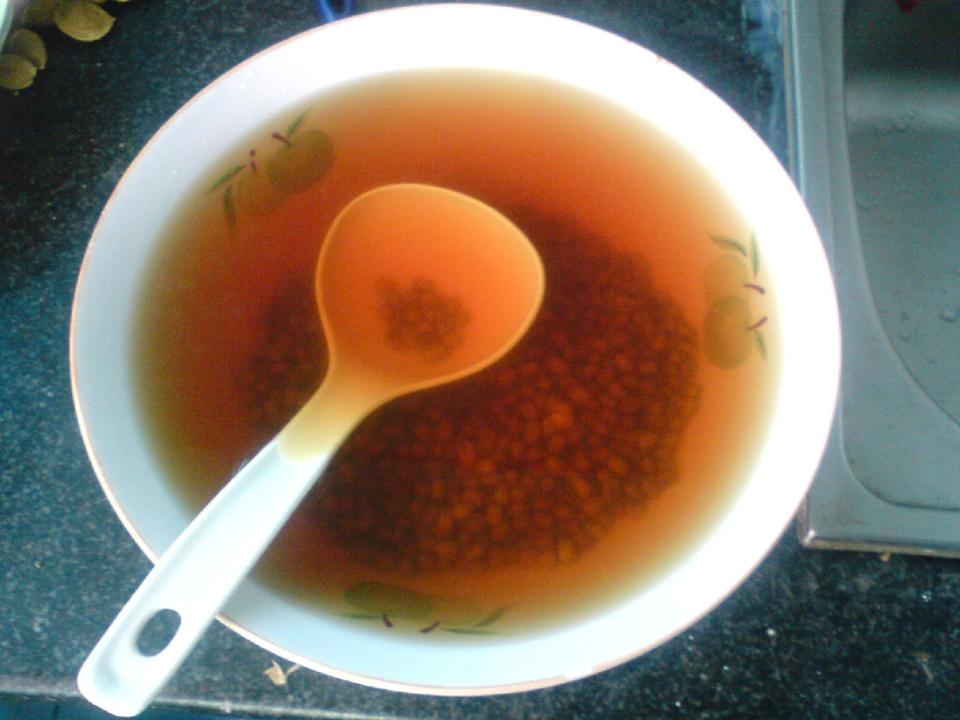
 Old Version