You know you grew up different when foods that are completely normal to you come up in conversation with friends from other countries who say, “You know that stuff is toxic, right?”
They say what doesn’t kill you makes you stronger, but sometimes it comes with a side of shock.
It all started when a friend visiting from the UK, who grew up on the most basic meals of baked beans and potatoes, came to see us in China. After some hesitation, he decided to try a few authentic local dishes.
At breakfast, I offered him baked cassava, a snack I’d recently grown to love. Since we were in Hainan and I was on a health cleanse, I thought cassava was a great way to fuel up without unnecessary calories. He, naturally cautious, looked up the vegetable on his phone, then glanced across the table and said, “I think this can kill you.”
It turns out my beloved snack contains cyanide. Possible accidental manslaughter is one heck of a way to start the morning for someone already hesitant about trying new foods.
But it’s not just cyanide-laced cassava making appearances on Chinese dinner tables. After doing a bit of digging, I realized I’ve been obliviously eating plenty of other “toxic” things over the years.
Take the humble green bean, for example. I literally grew up with this as one of my favorite dishes. But they contain lectin, which when eaten raw or undercooked, can cause severe nausea, vomiting and diarrhea. The dose won’t kill you, but it can ruin your day.
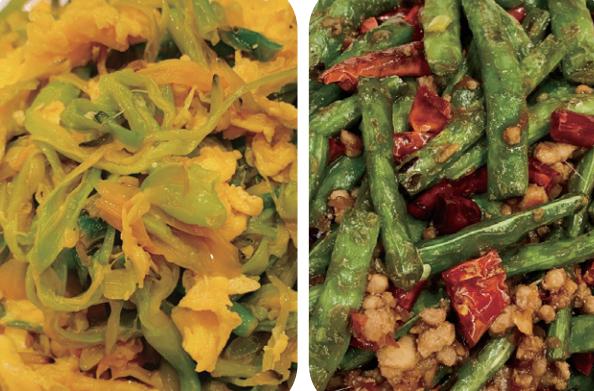
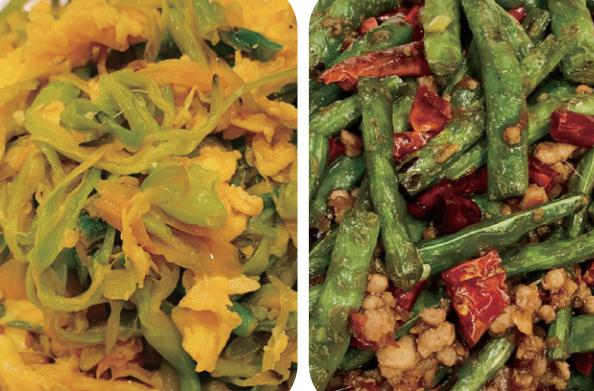
Yet in China, especially in Sichuan Province, they appear in nearly every restaurant. Dry-fried green beans were my favorite dish as a kid, the spiciness balanced with the crispiness of the beans is what made me fall in love with spicy food. The secret? Thorough blanching or stir-frying to cook of the toxins.
Then there’s daylily. It’s not a common vegetable, but it’s loved for its mildly sweet favor. I’ve only had it stir-fried with eggs, and it tastes like farm-fresh summer on a plate. But fresh daylily contains colchicine, which can upset your stomach. You’ve got to blanch them for at least 30 seconds before cooking.
And finally, though it’s not native to China, ginkgo nuts appear on the table almost every time I’m in the mood for sushi. It took ages before someone finally told me these little nuggets are toxic. They contain 4-methoxypyridoxine, a neurotoxin that can cause convulsions and even loss of consciousness. Never eat them raw. Even cooked, adults shouldn’t eat more than 10 to 15 at a time, and kids should never eat them. Before I learned this, I ate them by the handful. Roasted and salted, they’re delicious and make a perfect drinking snack, just proceed with caution.
You have to wonder: Who was the first person to look at a cluster of vibrant, unassuming daylily buds, ignore their neighbor keeling over, and think, “You know what, I bet if I boil them a bit, they’ll be delicious?” Or the brave soul who, after watching some-one collapse from raw beans, decided to give them another shot?
There were no food blogs or YouTube tutorials back then. Just a lot of trial and error, a lot of groaning and probably a few villagers who joined their ancestors sooner than they would have liked, all for being too stubborn to throw away a perfectly good ingredient. So the next time you blanch your green beans without a second thought, remember: someone took one for the team so you wouldn’t have to.
 Old Version