Let’s be real, when Chinese comfort food comes up, everyone gushes over the glamorous stuff: Dumplings, braised pork belly, those dramatic hand-pulled noodles. And hey, I love all that too. But there’s one quiet, unassuming little pastry that holds a totally irreplaceable spot in the Chinese heart: the chive box, or jiucai hezi.
It’s not fancy and there’s no cool plating involved. Zero social media clout. It actually even leaves you needing a serious breath mint afterwards. And yet, this humble, pan-fried half-moon of goodness is so ridiculously comforting. Every time we’ve got native northern Chinese visiting from abroad, they’ve got to get their fill before they leave.
Back in the day, in poor northern Chinese villages, farmers didn’t have access to expensive ingredients. But in spring there were plenty of wild chives. They popped up everywhere along roadsides, in backyards and between fields. They grew like weeds.
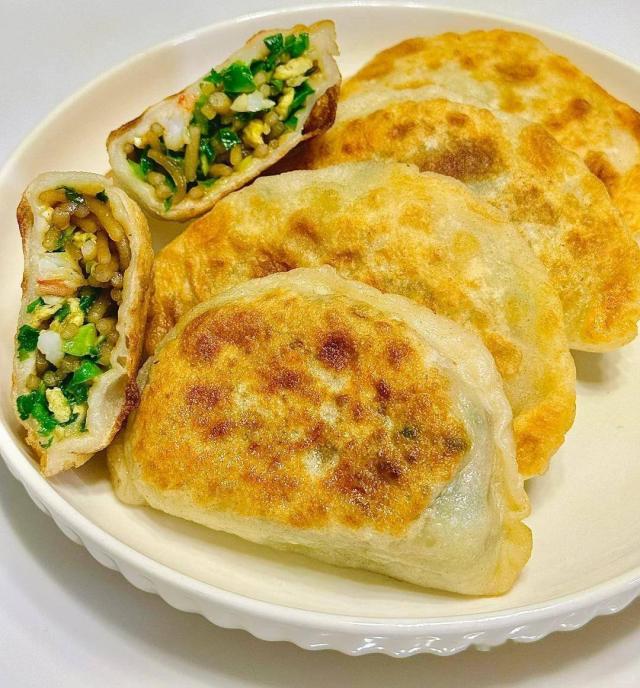
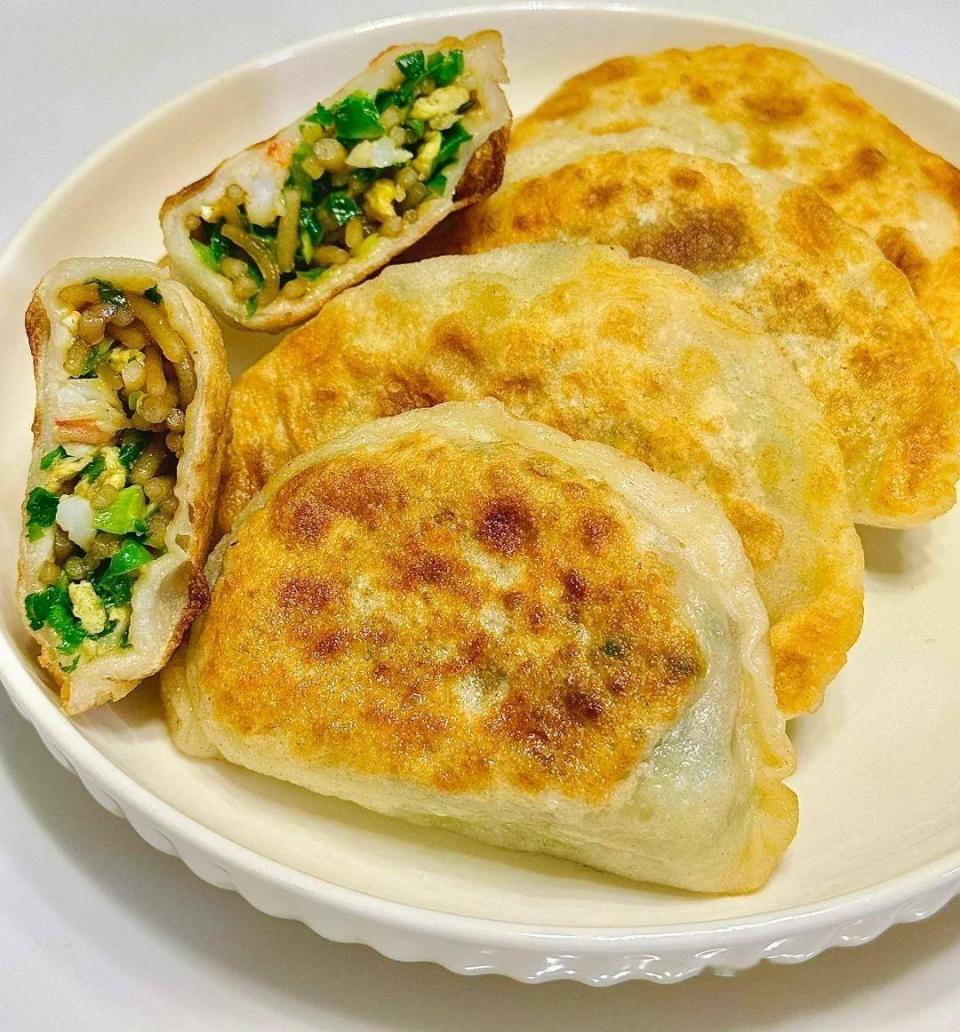
So what did clever home cooks do? They chopped those chives up, mixed them with fluffy scrambled eggs and soft vermicelli noodles, wrapped the whole savory mess in a basic wheat dough, and fried them into portable, belly-filling pies. Just good, honest fuel for a long day of work.
What started as practical peasant grub quickly spread everywhere, becoming a timeless household staple that grandmas would whip up super quickly in their kitchens.
In Chinese food culture, eating fresh early-spring chives is practically a ritual. Winter meals tend to be heavy and greasy to give you the strength you need to brave the winter cold. Then spring shows up with these vibrant greens that taste like freshness itself.
Families used to fry up a batch of chive boxes to welcome the warmer weather. Fortunately, this little guy refused to stay stuck in one season. These days, you’ll see people happily devouring them for breakfast on the go, lazy lunches, casual dinners or as a late-night street snack after a few beers.
And for good reason. The golden outer shells give you this satisfying crunch with every single bite. Then you get to the filling: bright green chives with that savory kick, soft scrambled eggs and tender noodles soaking up every drop of seasoning. When done right, it’s never heavy or greasy, and before you know it, you’re six jiucai hezi in and looking for a couch to lie down on and digest.
For northern Chinese living abroad, this is one of those foods that’s on the top of your to-eat list when you land in China. So why don’t they just eat it in whatever country they’re in? Simple. Most Western supermarkets don’t carry the type of chives you need to cook jiucai hezi. It’s got such a strong unique flavor that’s rarely used in Western cooking. Even Chinese supermarkets don’t always stock them. So the closest thing you could do is what our family friends did – dedicate a little patch of your garden to planting your own chives.
Chive boxes may never show up on a Michelin-starred menu or go viral as some overpriced trendy bite. But honestly, that’s exactly why we love them. They don’t try to impress. They don't cost a fortune. They just quietly, reliably wrap you up in warm nostalgic memories.
 Old Version