A Chinese model has drawn flak for what many on social media are calling selfish behavior on a reality show.
Moka Fang, wife of pop megastar Aaron Kwok, did not win points online or with her nine male co-stars on season six of celebrity reality show Wonderland when she insisted they share a dormitory, while she took the only single room, leaving the men to share one bathroom.
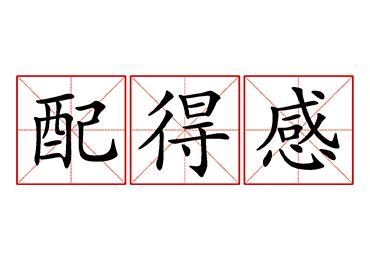
Fang responded on Weibo that "peidegan does not require depriving yourself," only for netizens to retort that "peidegan is not equivalent to selfishness."
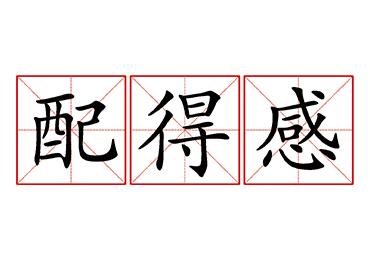
With peide meaning "deserve" and gan meaning "sense," the term refers to an inner belief that one deserves certain things. It has grown popular among young Chinese people seeking to push back against social norms that reward restraint with praise and affection, and recognize their self-worth.
Peidegan is now used widely in online discussions about relationships and the workplace. People encourage one another to stop feeling guilty for taking time off work or second-guessing themselves after receiving a promotion. Women in particular are encouraged to be kinder to themselves.
But as Fang's case shows, peidegan has its limits. Many argue it does not mean privilege or give license to disregard others' interests. Buying luxury goods you cannot afford simply because you feel you deserve them is not what peidegan is meant to encourage.
 Old Version