Foreign Ministry spokesperson says Europe, not China, isn't playing fair amid market disputes
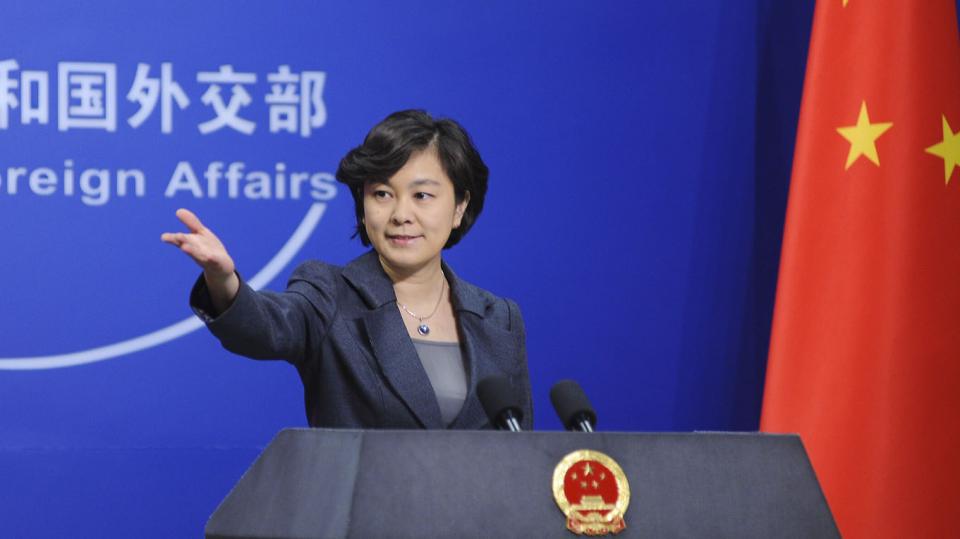
China will open wider to the world and speed up the reform of the management regime of foreign capitals, said Foreign Ministry spokesperson Hua Chunying during a daily press briefing on Wednesday, in response to remarks recently made by some European officials that questioned China’s commitment to European investment. Hua added that other countries should create an equally fair and free business environment for Chinese investors.
Writing in the Welt am Sonntag newspaper, according to the official Xinhua News Agency, German Vice-Chancellor Sigmar Gabriel claimed foreign direct investment (FDI) by European companies in China was being hampered. He stated that China should abide by the rules if it wants market economy status.
Hua responded that China has been endeavoring to liberalize and facilitate trade and investment. Even though China is a developing country, the speed and extent to which China has opened up is remarkable, she said. China is leading the developing economies in opening up, she claimed.
“We hope that the EU will act in good faith and abide by the law, and fulfill its obligation under Article 15 rather than beat around the bush, drag their feet, still less make a bargain or even attach strings to the fulfillment,” Hua said.
Recent years have seen a constant rise of European investment in China. and the total volume of European investment in China is far larger than the other way around, Hua said. Germany has over 8,000 companies in China, while with a population size 16 times that of Germany, China has less than 2,000 companies in the country, she said.
In terms of multilateral trade, it is Europe that needs to abide by the rules, according to Hua. She said that China is highly concerned whether the EU would fulfill its obligations provided in Article 15 of the Protocol on China's Accession to the WTO.
As required by the obligations, the EU should end its "surrogate country system" by December 11, 2016. Under the system, costs of production in a third country are used to calculate the value of products from non-market economies, according to Xinhua. But the European side has complained that restricted market access to China has caused less new EU investment in China than China's in the EU annually in the past few years, and the overcapacity in China's steel industry has cost European workers' jobs.
 Old Version